
Apache Mulching LLC
Forestry Mulching in Waco & Central Texas
Grind brush, cedar, and trees in place. No burning, no hauling, no wind rows. One pass from overgrown to open. Free estimates. Fully insured.
How It Works
Single Pass. Clean Result.
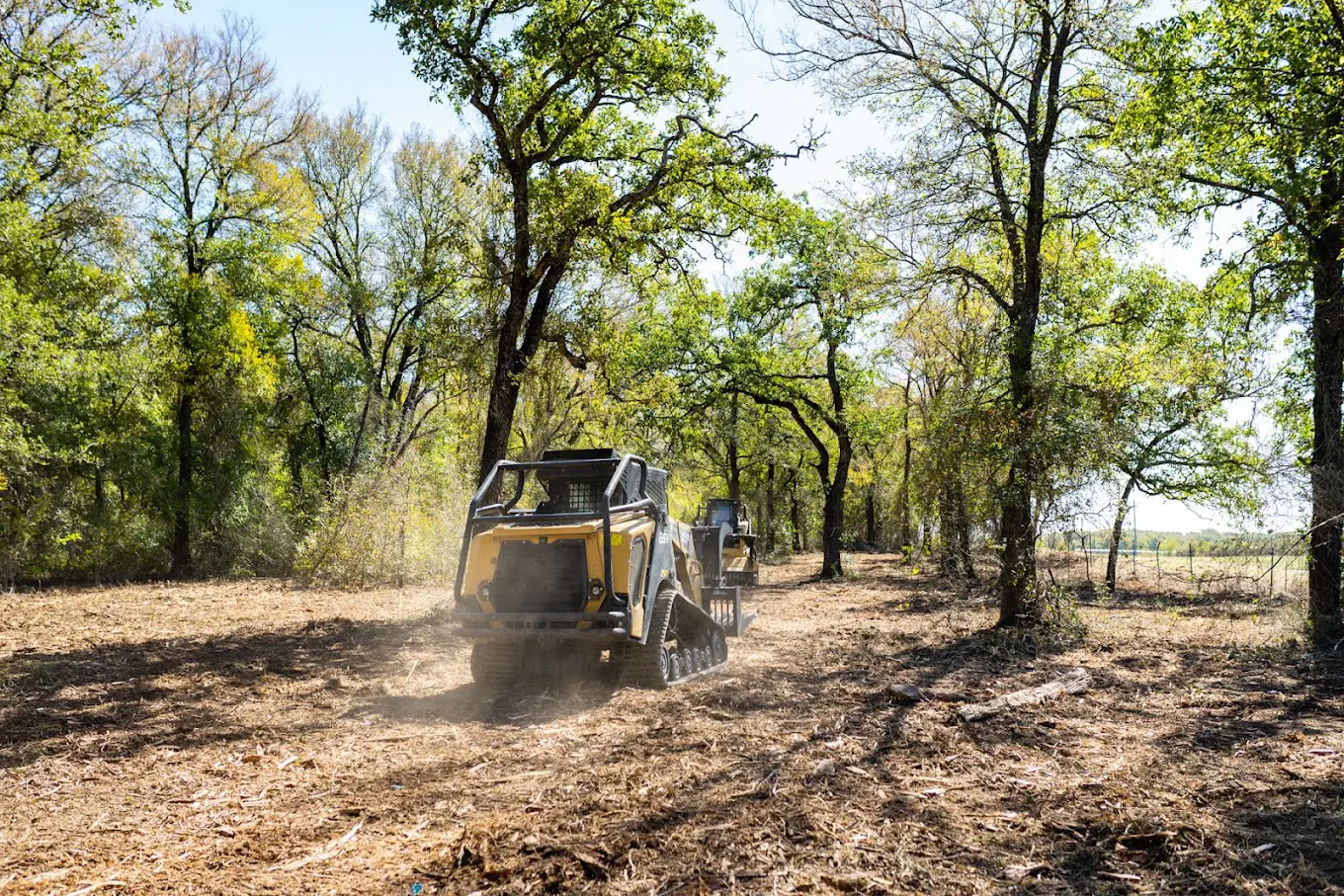
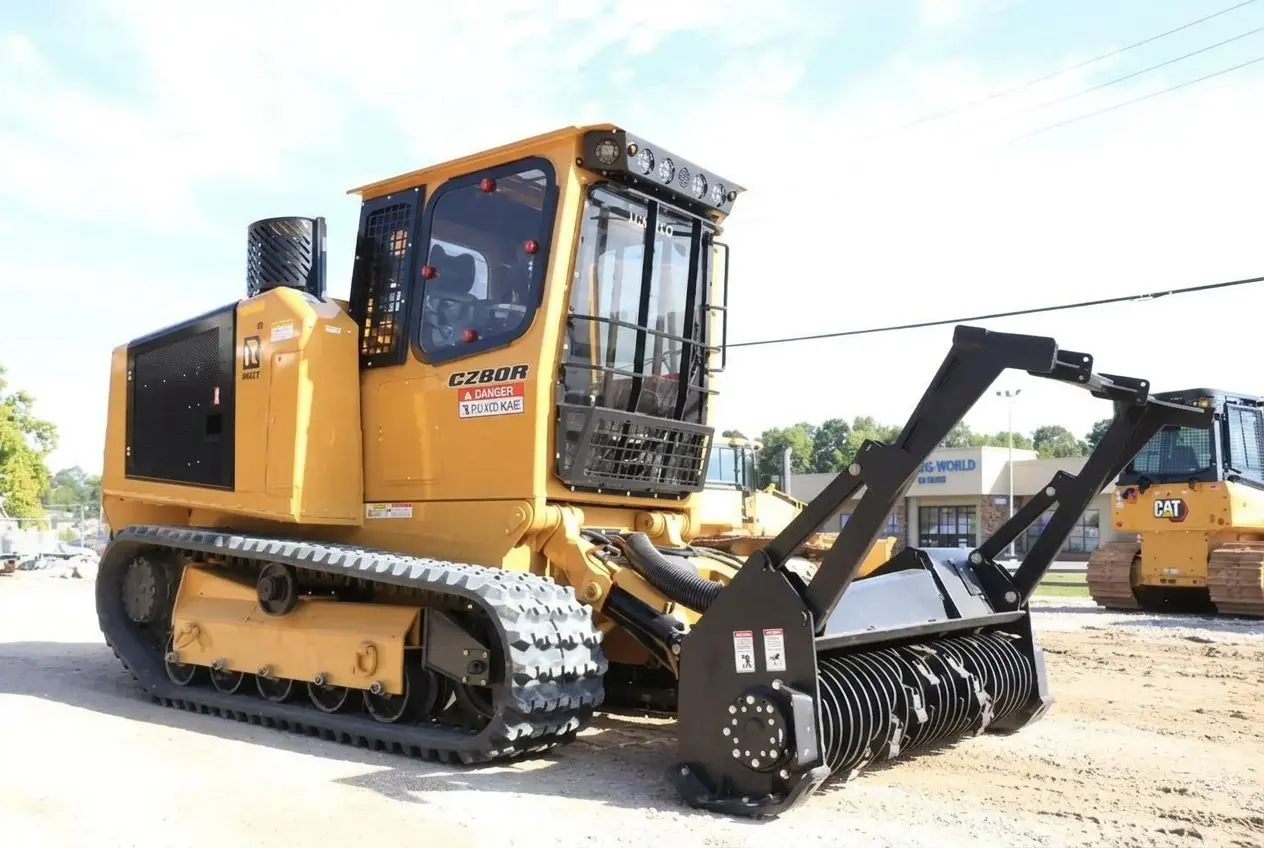
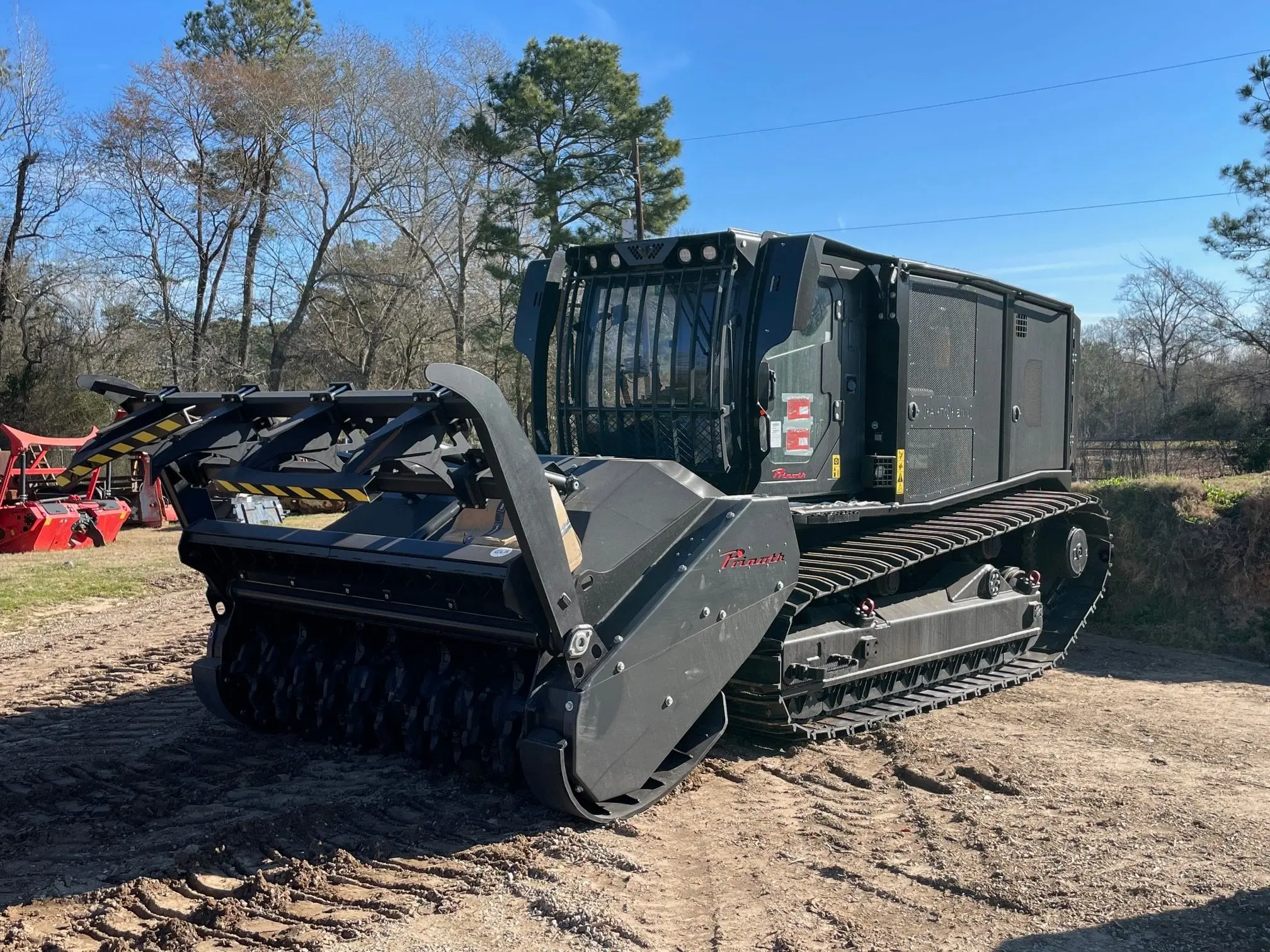
A forestry mulcher is a tracked machine with a drum head fitted with carbide cutting teeth. It drives through brush and trees, grinding everything down to wood chips in one pass. No pre-cutting, no burning piles, no hauling material off-site.
We offer mulching even in rocky terrain thanks to our steel track machines and special teeth: ground that stops wheeled equipment cold doesn't slow us down.
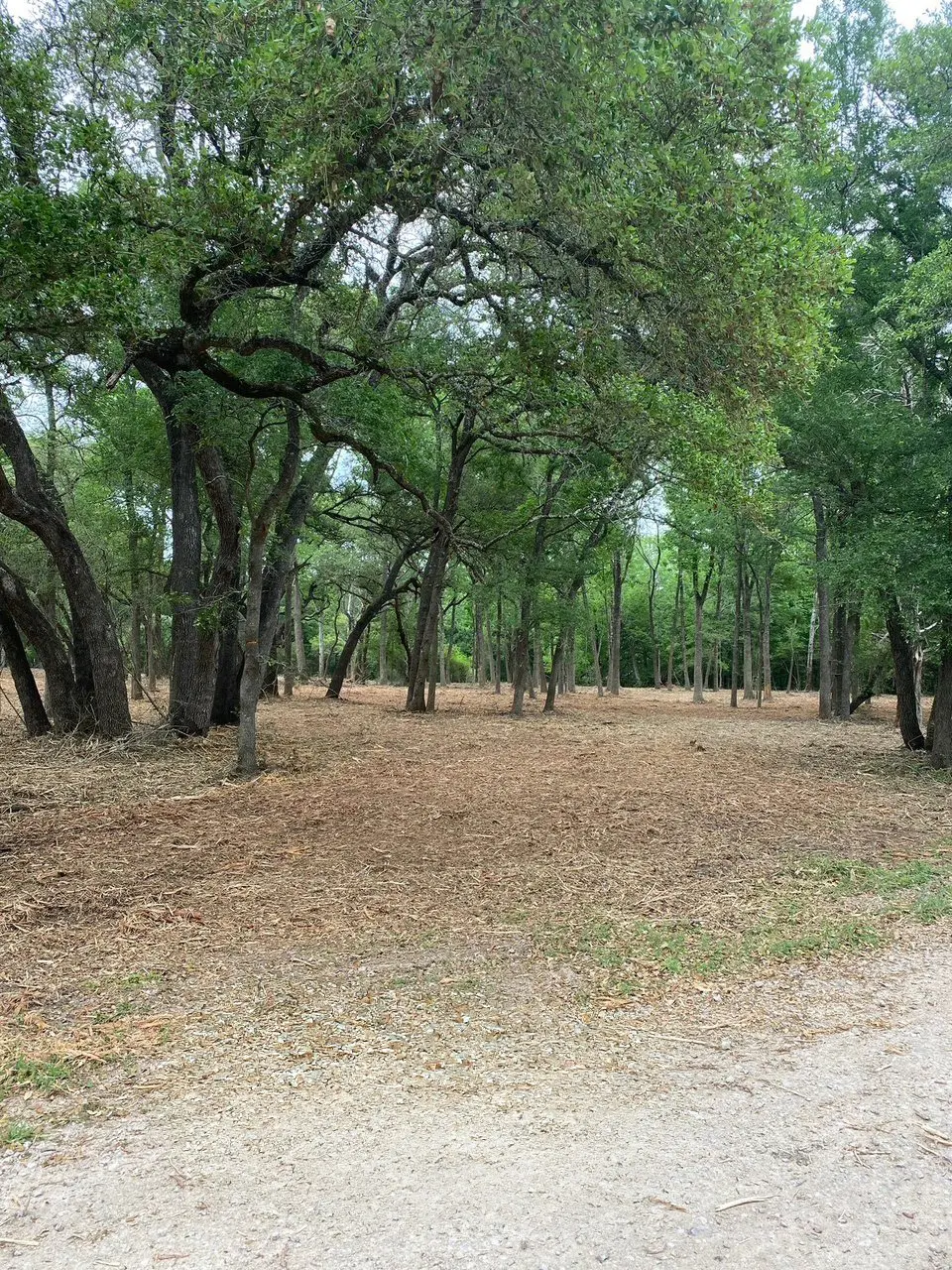
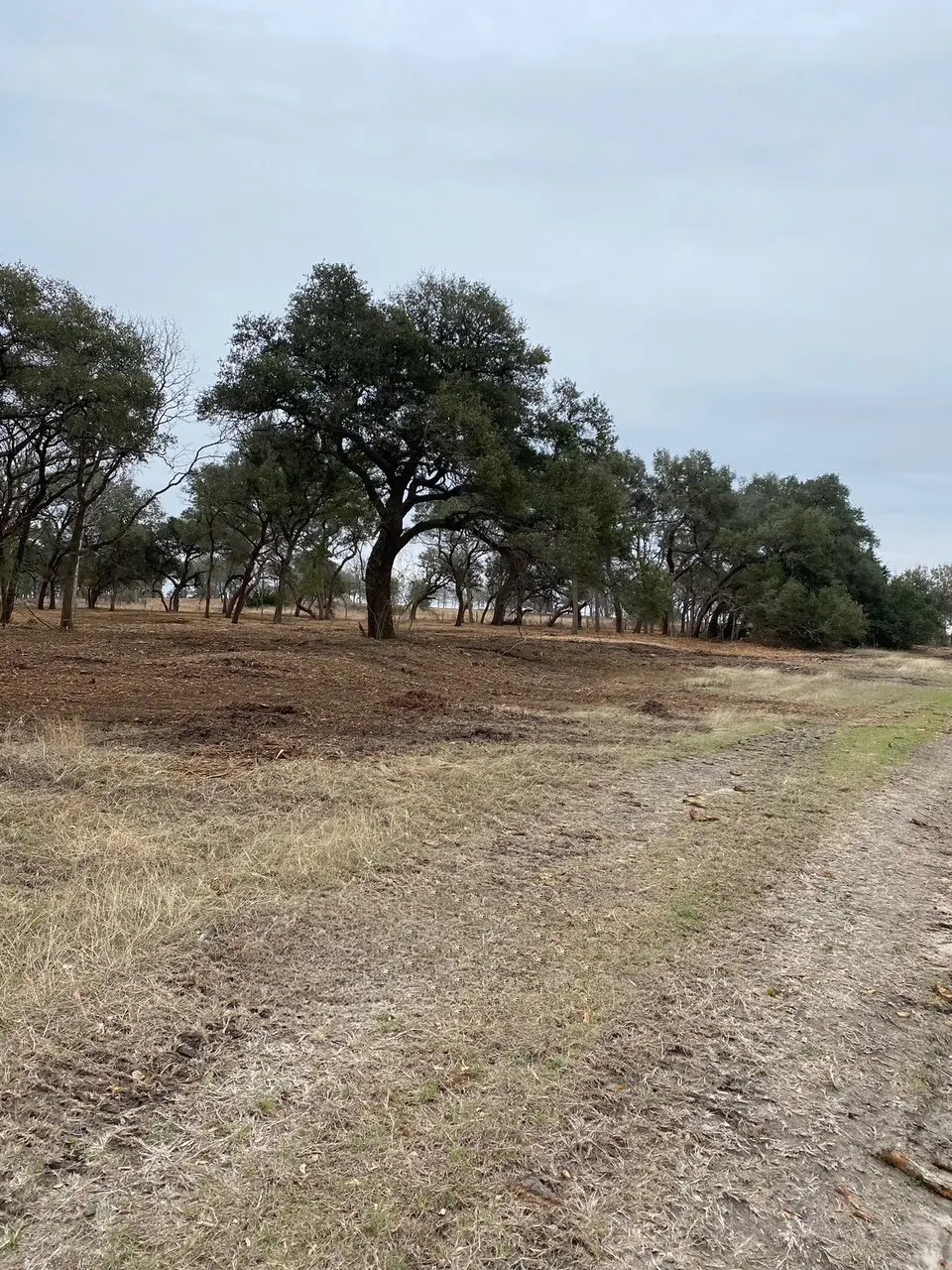
The mulch layer that remains on-site acts as ground cover, preventing erosion, retaining soil moisture, and allowing native grasses to establish underneath it within a single growing season. On ranch pastureland cleared in the fall, native grasses typically show visible re-establishment by the following spring.
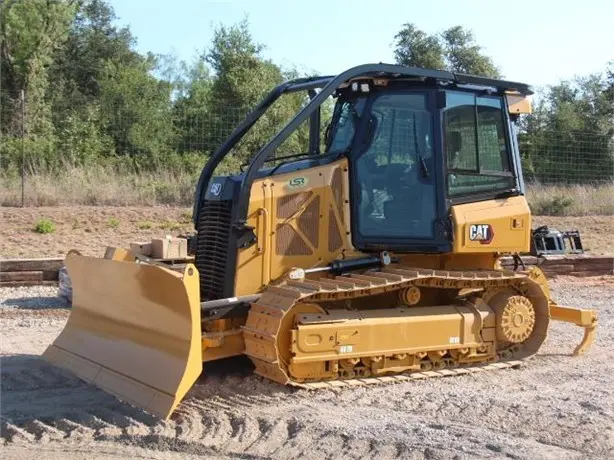
Compared to dozing and burning, mulching is faster on most Central Texas vegetation jobs, requires less site management, and leaves the soil structure intact. Dozing is the better call when you need to remove trees with significant root systems or deliver a construction-ready grade. Apache Mulching uses both methods, sometimes on the same project, and will tell you upfront which approach makes sense for your acreage.
Use Cases
When to Choose Forestry Mulching
Ranch & Pastureland
Reclaim cedar-choked pastures without burning or disrupting soil. Grasses re-establish quickly in the mulch bed.
Hunting Property
Open deer browse and quail habitat without the disturbance of heavy dozing. Leaves cover and native plant structure intact.
Rocky & Steep Terrain
Steel-tracked machines and specialty teeth process rocky ground and slopes that stop wheeled equipment without tearing up the hillside.
Creek & Buffer Zones
Preferred near water: less soil disturbance, mulch reduces runoff, and no burning near riparian areas.
Pipeline, Fence & ROW
Fast and efficient for power line, pipeline, and fence corridors, including fence and gate installation. Reduces fire risk along the line.
Fire Break Construction
Clear fuel-break corridors around structures and fence lines without the risk of controlled burning.
Forestry Mulching Applications
Where Forestry Mulching Works Best
Ranch and Pasture Land / Hunting Property
Forestry mulching is the standard method for reclaiming cedar-choked pastureland across the Texas Hill Country and Central Texas cedar belt. A tracked mulcher processes cedar, persimmon, and heavy brush at production rates that make large acreage economically practical, typically one to four acres per day depending on density and terrain. The mulch left on the soil surface breaks down within one to two seasons, feeding the soil and allowing native grasses to establish underneath. On hunting properties, mulching preserves more ground-level cover and native plant structure than dozing, which matters for white-tailed deer browse and quail habitat. We work ranch and hunting tracts of all sizes across Waco and Central Texas, from targeted pasture reclamation to full-property cedar management programs.
Rocky and Steep Terrain
We offer mulching even in rocky terrain thanks to our steel track machines and special teeth, which is why forestry mulching is our default method on the limestone shelf and slopes that run through McLennan County and the Hill Country. A tracked mulcher keeps full traction and cutting power on rock and grade where a wheeled machine loses footing or a dozer blade just bounces off the surface. It also keeps soil disturbance low on slopes, leaving root systems and ground cover in place to hold the hillside after we're done. For large acreage with mixed rocky and flat ground, we use the mulcher across the whole tract rather than switching machines mid-job.
Creek and Buffer Zones
Forestry mulching near creeks, stock ponds, and water features is the preferred clearing method because it keeps soil disturbance to a minimum and leaves ground cover in place on slopes and banks where erosion is a real risk. Dozing near a waterway strips topsoil, exposes mineral soil on banks, and creates sediment loading in the water body below. Mulching cuts vegetation at or near ground level, leaves root systems and organic matter intact, and puts a layer of wood chip mulch on the surface that holds soil during rain events. We work in and around the riparian zones of the Bosque River, Navasota River, Lake Waco watershed, and Hill Country creek drainages regularly.
Pipeline, Fence, and Right-of-Way Clearing
Power line, pipeline, and fence line right-of-way clearing with forestry mulching is faster and less disruptive than traditional cut-and-pile methods. A mulcher can stay on the corridor and process vegetation and small trees in a continuous forward pass, cutting job time significantly compared to chainsaw crews with chippers or loaders. Eliminating burning or haul-off also removes cost and scheduling complications, and we install fencing and gates along the corridor as part of the same ROW construction project. We clear initial ROW corridors and perform re-clearing maintenance on established easements for utility contractors, pipeline operators, and private landowners throughout Central Texas.
Fire Break Construction
Fire break construction requires clear, wide corridors of bare or low-fuel ground that stops a grass or brush fire from spreading across a property. Forestry mulching creates fire breaks faster than manual crews and without the fuel-loading that cut-and-pile leaves behind. A mulcher processes the fuel load in the corridor down to a thin layer of chips, eliminating the dead-standing fuel that a cut-and-leave method creates. Fire break corridors in Central Texas typically run around structures, along fence lines, and at the boundaries of managed burn units on hunting and ranch properties. We build fire breaks as standalone projects and as part of larger land management and clearing programs.
Our Equipment
Built for Texas Terrain
Customer Reviews
What Our Customers Say
★★★★★
Apache did a wonderful job clearing my property in record time. It was selective clearing requiring good communication and everything went smoothly. It was also a new property for me and heavily covered in dense jungle like coverage. Apache did a very nice job. I can highly recommend Apache for any clearing and mulching jobs.
★★★★★
They were on time every day and did what they said they could and would do for the price they said they could and would do it for. They had some good solutions for a few issues we needed to address. They are professional and awesome in their work ethic. The way things in the world are right now, that is saying a lot.
FAQ
Forestry Mulching Questions
What is forestry mulching?
Forestry mulching uses a machine with a rotating drum fitted with carbide teeth to grind trees, brush, and stumps directly into mulch in a single pass. The mulched material stays on-site, covering the soil to prevent erosion and retain moisture. It's one of the fastest and most cost-effective land clearing methods available.
How much does forestry mulching cost per acre in Texas?
Forestry mulching pricing depends on brush density, tree size, and terrain. Light brush clears faster and costs less per acre; dense cedar mottes with large trunks take more time and machine wear. We provide accurate pricing after seeing your property. Contact us for a free on-site estimate.
Is forestry mulching better than dozing?
For most brush and cedar clearing, mulching is faster, less disruptive to the soil, and leaves no burning piles or wind rows to manage. Dozing is better when you need to remove trees with large root systems or clear a site for construction. We often combine both methods on the same project.
Does forestry mulching kill roots?
Forestry mulching grinds vegetation at or near ground level, but does not remove root systems. For brush species that regrow from roots (like Ashe juniper / cedar), additional treatment may be needed to prevent regrowth. We'll advise you on the right approach based on your species mix and long-term goals.
How long does forestry mulching take per acre?
Typical production rates are 1–4 acres per day depending on density and terrain. Light brush on flat ground: faster. Dense cedar mottes on rocky Hill Country: slower. We'll give you an honest timeline when we quote the job.
Can forestry mulching be done near water?
Yes, with care. Mulching is often preferred near creeks and waterways because it leaves ground cover in place (reducing runoff) and avoids the soil disturbance that dozing creates. We follow best practices for buffer zones and sensitive areas.
Service Areas
Forestry Mulching Across Texas
Most of our forestry mulching work runs through the cedar belt of Central Texas, from the Hill Country through Waco and out to the edge of the Piney Woods. Apache Mulching travels for large-acreage jobs throughout North, South, East, and West Texas.
Ready to Clear Land?
Call or request a quote online. We respond same day.
We clear land across all of Texas.