
Apache Mulching LLC
Cedar Removal in Waco & Central Texas
Reclaim your pastureland, restore springs, and break the cedar cycle on your Texas property. Free estimates. Fully insured.
The Cedar Problem
Cedar Is Draining Your Land
Ashe juniper, what most Texans call cedar, is one of the most aggressive brush species in the state. Left unchecked, it outcompetes native grasses, shades out forbs that deer and livestock depend on, and its water consumption can literally dry up springs and reduce stream flow on your property.
The good news: cedar is manageable. Apache Mulching brings the equipment to knock it back efficiently, whether you're clearing a few acres of encroachment or reclaiming hundreds of acres of cedar-dominated pasture.
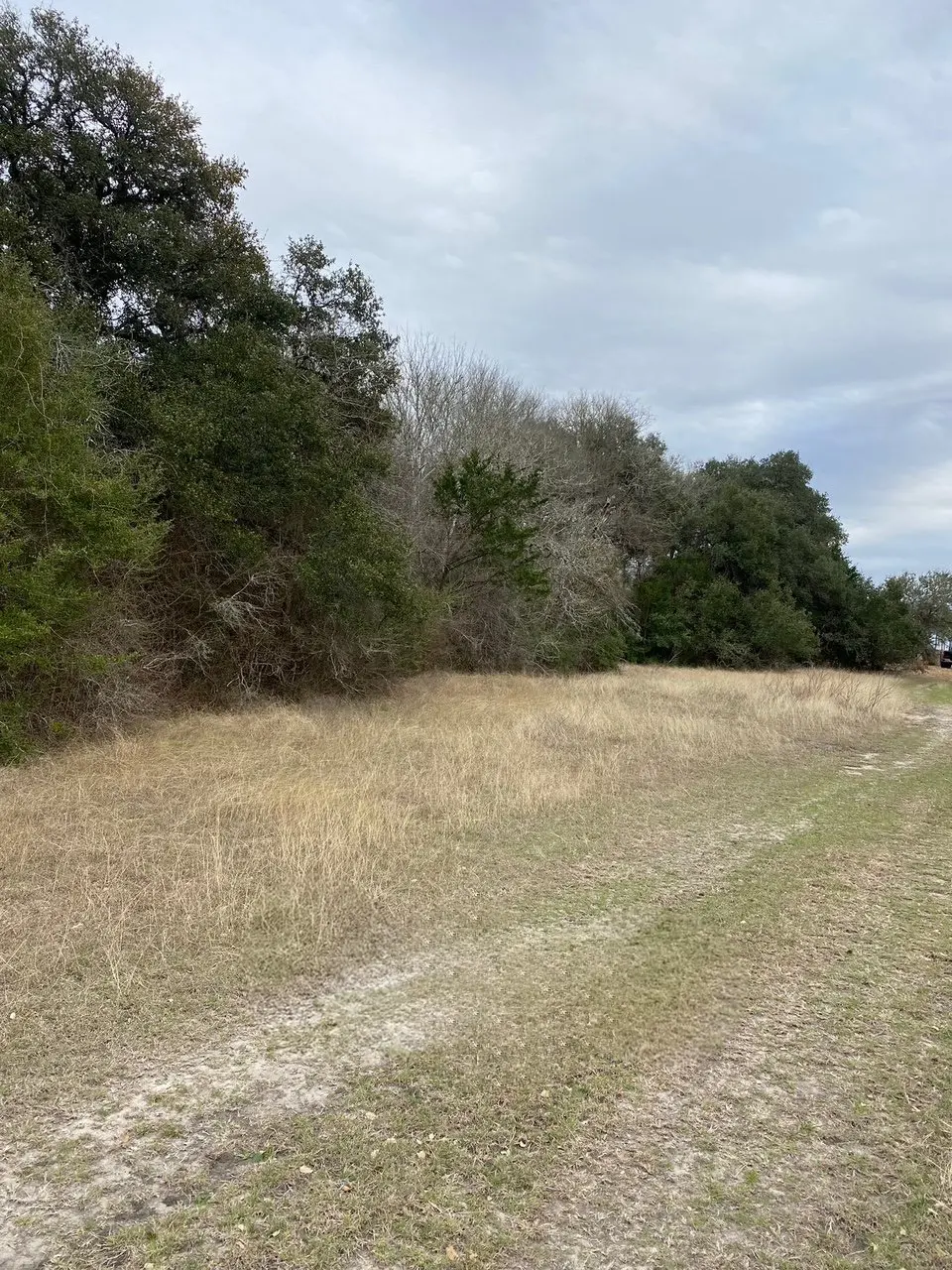 Before
 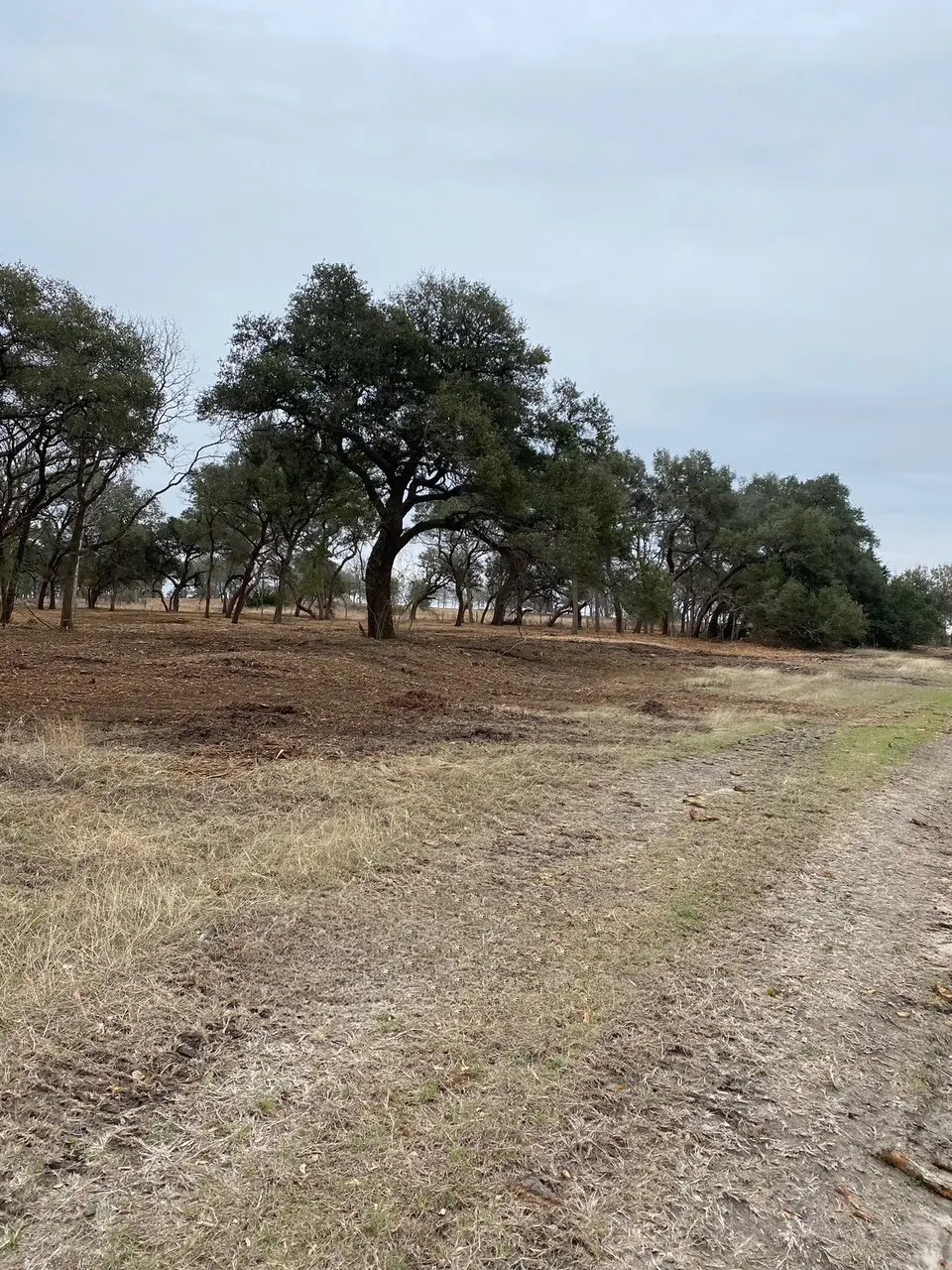 After
After Methods
How We Remove Cedar
Forestry Mulching
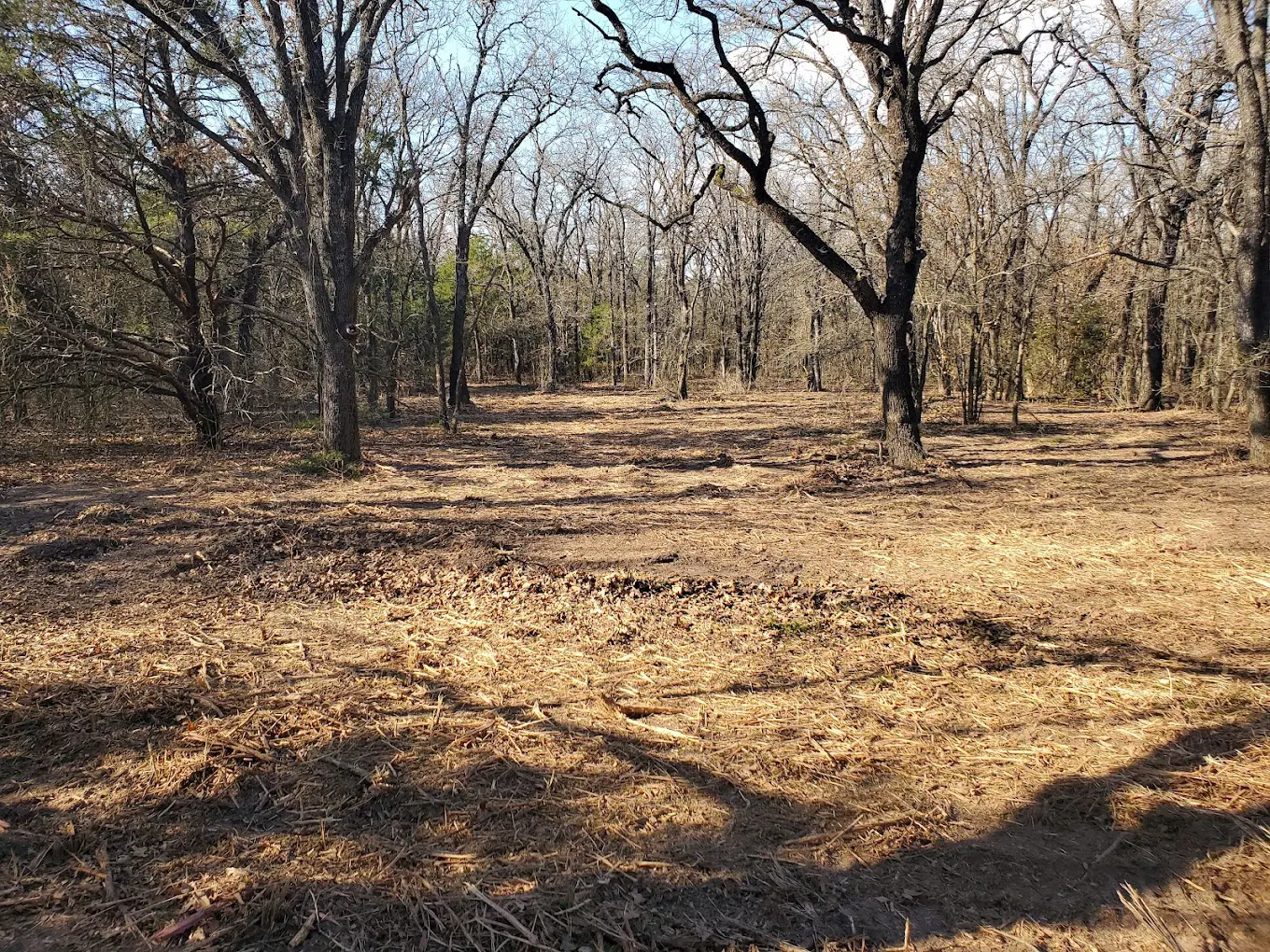
Our primary method for cedar removal. A mulching head grinds cedar trees and brush into chips in a single pass. Fast, no burning, no hauling. Mulch stays on-site as erosion-preventing ground cover.
Root-Raking & Dozing
For cedar mottes with established root systems, or when you need a cleaner finish grade, we doze and root-rake to remove material below the crown. Effective for areas being re-seeded for pasture.
Cut & Pile / Wind Rows
For properties where the owner prefers to burn, we cut and push cedar into wind rows or piles for controlled burns. We can also haul off material if burning is not an option.
Selective Cedar Thinning
For properties with scattered cedar where you want some trees retained for wildlife habitat or aesthetics, we selectively clear around keepers and remove the encroachment.
Cedar Removal in Central Texas
Cedar Removal Done Right
Selective Cedar Thinning
Selective cedar thinning removes the densest cedar growth while leaving individual trees in place for shade, wildlife cover, and aesthetics. This approach is popular with hunting property owners who want to improve quail and deer habitat without eliminating all cover, and with landowners who want to open a view or recover specific pasture areas without total clearing. We identify and mark keepers before work begins, mulch the encroachment around them, and leave a managed landscape rather than a clearcut. Selective thinning on Hill Country and Central Texas properties can shift a cedar-dominated pasture back toward native grass with browse edges in a single pass.
Total Property Cedar Clearing
Total cedar clearing removes all cedar from the property footprint, typically the goal when reclaiming heavily encroached pastureland for agriculture or converting land to development. Complete clearing is also the right call when a new property owner inherits a cedar-choked tract and wants to start from a clean baseline. Apache Mulching brings the production capacity to clear large acreage efficiently: tracked mulchers handle the main clearing, followed by dozing or root-raking on the densest mottes where ground-level mulching alone is not sufficient. After total clearing in Central Texas, native grasses and forbs typically begin re-establishing within the first growing season.
Cedar Management on Ranch Land
Cedar management for ranches and large tracts is not a one-time project for most Central Texas landowners. Cedar regrows from seed and lateral root spread, and adjacent untreated land continually sources new encroachment. Many ranch owners treat cedar on a rotation: clearing the most heavily infested pastures first, then working through the property on a multi-year schedule. Apache Mulching works with ranch managers and landowners on cedar management programs that fit their land improvement goals and budget. We also advise on post-clearing practices including re-seeding and follow-up treatment strategies that slow cedar re-establishment.
Cedar Removal Near Water
Cedar removal near creeks, springs, and stock ponds in Central Texas requires careful technique to protect water quality and streambank stability. A mulching head on tracked equipment keeps soil disturbance minimal compared to dozing, which exposes bank soil and increases erosion and sediment loading downstream. In the spring-fed creek systems of the Hill Country, removing cedar from upland watershed areas is one of the most effective ways to recover flow to springs and seasonal streams that have diminished under cedar canopy. We follow buffer zone guidance and work carefully on the riparian margins of all water features, from stock ponds to the Blanco River and Cypress Creek drainages.
Post-Removal Land Recovery
After cedar removal in Central Texas, the land recovery timeline depends on soil health, pre-clearing grass seed bank, and rainfall. On properties with intact native seed banks under the cedar canopy, native grasses including sideoats grama, buffalograss, and Texas wintergrass typically begin showing in cleared areas within the first growing season. On properties where cedar has been dominant for decades and the native seed bank is depleted, re-seeding with a native grass mix accelerates recovery. Apache Mulching can advise on post-clearing re-seeding practices and coordinate with range consultants familiar with Central Texas grass species and recovery timelines.
The Benefits
What Cedar Removal Does for Your Land
Restore Water
Springs and seeps that disappeared under cedar can return within a few seasons after removal. Water table levels improve across the property.
Recover Pastureland
Native grasses and forbs re-establish quickly once cedar canopy is removed. Stocking capacity and forage quality both improve.
Improve Wildlife Habitat
White-tailed deer, quail, and other game prefer open grassland with browse rather than solid cedar mottes. Clearing opens habitat and increases browse variety.
Increase Property Value
Cleared, productive land is more valuable and more marketable. Cedar-choked property sells at a significant discount.
Customer Reviews
What Our Customers Say
★★★★★
Apache did a wonderful job clearing my property in record time. It was selective clearing requiring good communication and everything went smoothly. It was also a new property for me and heavily covered in dense jungle like coverage. Apache did a very nice job. I can highly recommend Apache for any clearing and mulching jobs.
★★★★★
They were on time every day and did what they said they could and would do for the price they said they could and would do it for. They had some good solutions for a few issues we needed to address. They are professional and awesome in their work ethic. The way things in the world are right now, that is saying a lot.
FAQ
Cedar Removal Questions
Why is cedar removal important in Texas?
Eastern red cedar (Ashe juniper) is an aggressive colonizer of Texas rangeland. A mature cedar tree consumes 30–40 gallons of water per day. Dense cedar stands can dry up springs, lower the water table, and crowd out native grasses that livestock and wildlife depend on. Removing cedar recovers pastureland, restores water sources, and opens habitat for white-tailed deer and other game.
How much does cedar removal cost in Texas?
Cedar removal pricing varies by density, tree size, terrain, and whether you want material mulched in place or hauled off. Light encroachment is faster and less expensive than dense mottes with multi-trunk trees. Every job is quoted on-site so the price reflects what is actually there. Contact us for a free estimate.
What is the best method for removing cedar trees?
Forestry mulching is the most efficient single-pass method for moderate-to-heavy cedar. The mulching head grinds cedars down to mulch in one pass with no burning, no wind rows, and no hauling. For selective removal or particularly large specimens, we use a combination of cutting, dozing, and root-raking.
Will cedar grow back after removal?
Ashe juniper (Texas cedar) can regrow from the root collar if not fully grubbed. Forestry mulching grinds the material above-ground but does not remove roots. For a longer-lasting result, especially in re-seeding situations, we can follow up with root-raking or herbicide treatment to prevent regrowth.
How long does it take to remove cedar from a pasture?
A mulcher can process 1–4 acres per day depending on density and terrain. Light cedar encroachment on flat ground moves fast. Dense cedar mottes on rocky Hill Country terrain take more time. We'll give you a realistic timeline when we quote the job.
Service Areas
Cedar Removal Across Texas
Cedar encroachment is a statewide problem, and Apache Mulching works removal jobs throughout Central Texas. The Hill Country, the Edwards Plateau, and the cedar belt running through Waco and Austin are our primary range. For large acreage projects, we travel into North, South, East, and West Texas as well.
Ready to Clear Land?
Call us to discuss your cedar removal project. Free on-site estimates.
We clear land across all of Texas.